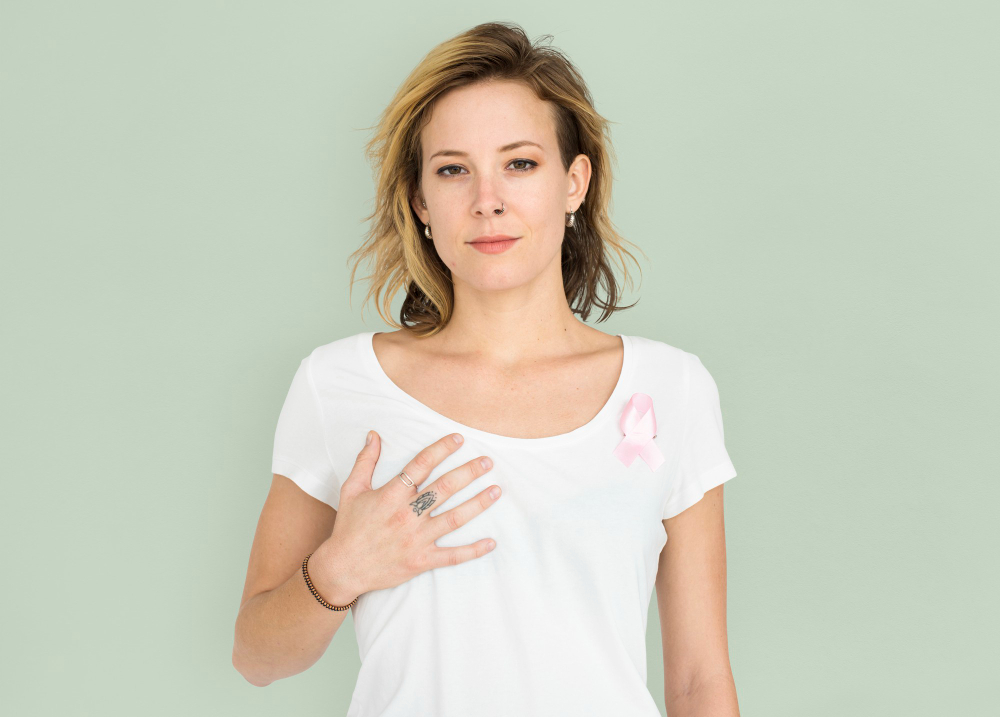
Breast Reconstruction Surgery
Breast reconstruction is an oncoplastic surgical method that enables the reconstruction of the breast in patients who have undergone a mastectomy (breast removal) or have experienced shape deformities due to breast cancer. Reconstruction is not only an aesthetic procedure but also a functional and psychosocial treatment process aimed at restoring the patient’s body integrity, self-confidence, and quality of life. Breast reconstruction is planned entirely individually, taking into account the patient’s oncological condition, history of radiotherapy, tissue structure, and personal expectations.When is Breast Reconstruction Performed?
Immediate Reconstruction
Performed during the same session as mastectomy.- Achieving a new breast with a single surgery
- Easier psychological adaptation
- Reconstruction without damaging chest wall tissues
Delayed Reconstruction
Performed months or years after mastectomy. It is generally preferred in the following cases:- Waiting for tissue healing after radiotherapy
- Completion of oncological treatments
Methods of Breast Reconstruction
Reconstruction can be performed with implant-based, autologous tissue-based, or hybrid (combined) methods.Implant-Based Reconstruction
One of the most common reconstruction methods that uses implants to create volume.Expander-Implant Method (Two-Stage Reconstruction)
- In the first stage, a tissue expander is placed
- Gradual filling is done over time
- In the second stage, a permanent breast implant is placed
Direct Implant Placement (Direct-to-Implant)
In suitable patients, the implant can be placed during the same session as the mastectomy. Submuscular or ADM-supported techniques may be used.- Faster recovery
- Achieving a new breast with a single operation
Autologous Tissue Reconstruction (Creating a Breast with Natural Tissue)
This method uses tissues taken from the patient’s own body (abdomen, back, or hips) to create the breast.DIEP Flap
- Micro-surgical tissue transfer from the abdomen
- The most natural and long-lasting results
- Muscle tissue is preserved
- An ideal option for patients after radiotherapy
Latissimus Dorsi (LD) Flap
Performed with tissue taken from the back muscle. If necessary, it is combined with a small implant.TRAM Flap
This method uses tissue taken from the abdominal muscles. It is an alternative to the DIEP flap.- Natural tissue sensation
- Reduced need for implants
- More durable results after radiotherapy
Hybrid Reconstruction
A method that uses both implants and fat transfer. It improves contour matching in patients with thin tissue or those who have undergone radiotherapy.Nipple-Areola Reconstruction
After creating a new breast, the nipple can be reconstructed using the following methods:- Local tissue flaps
- Medical tattooing
- Graft techniques
Pre-Surgery Preparation
- Oncology and plastic surgery team assessment
- Breast MRI / Ultrasound
- Examination of abdominal and back tissues
- Body symmetry analysis
- Evaluation of radiotherapy and medical history
- Smoking cessation
- Adjustment of blood-thinning medications
Surgical Process
- Performed under general anesthesia
- Average duration: 2–6 hours
- Tissue transfer or implant placement is done according to the selected method
- Symmetry is achieved
- Drains are placed if necessary
- The surgery is completed with a special bandage and bra
Post-Surgery Recovery
- Rest is recommended for the first 1–2 weeks
- Avoid heavy exercise for 4–6 weeks
- Recovery time is longer for autologous methods
- Swelling decreases within 2–3 months
- Final shape settles within 6–12 months
Potential Risks and Complications
Implant-Based Reconstruction
- Infection
- Capsular contracture
- Implant position issues
- Contour irregularities
Autologous Reconstruction
- Flap circulation problems
- Hematoma
- Healing issues at the donor site
- Fat necrosis
General Complications
- Asymmetry
- Visible scarring
- Sensory changes
- Need for revision
Longevity of Reconstruction Results
Autologous methods provide the longest-lasting and most natural results. In implant-based methods, implant replacement may be needed over the years. Fat transfer contributes to long-term stability. Weight changes can affect the breast form.Personalized Evaluation
Each patient has unique structural characteristics and expectations. Therefore, the treatment process is planned according to individual needs. A detailed examination and facial analysis determine the most suitable approach both aesthetically and functionally.
Advanced Diagnosis and Analysis
Comprehensive diagnostic methods are used to ensure the treatment process progresses correctly. Endoscopic examination, imaging techniques, and functional tests allow detailed evaluation of the nasal structure and help create a more accurate treatment plan.
Process Tracking and Support
All stages before and after breast reconstruction are carefully monitored. During the recovery period, regular check-ups, care recommendations, and personalized guidance are provided to ensure the process continues in a healthy and comfortable manner.
F.A.Q
Is breast reconstruction a safe procedure?
Yes. When planned in collaboration between oncology and plastic surgery, it has a high level of safety.
Does reconstruction affect cancer follow-up?
No. Modern techniques are compatible with imaging.
Can the breast be done in a single session?
Yes, it is possible for some patients. However, if the tissue structure is not suitable, a two-stage approach is preferred.
Can the nipple be done as well?
Yes, the nipple can be reconstructed in the final stage of reconstruction.
Which method gives the most natural result?
Autologous tissue (DIEP flap) is the most natural and longest-lasting solution.
Plan a safe and personalized consultation with Dr. Mert Okumuş. We are here to guide you through your aesthetic needs, facial analysis, surgical options, or any questions you may have. Fill out the form below to schedule your appointment.
If you have general questions about our services, treatment processes, or Dr. Mert Okumuş, you can reach us via email or contact us directly.
dr.mertokumus@gmail.com
Phone
+90 532 781 51 23